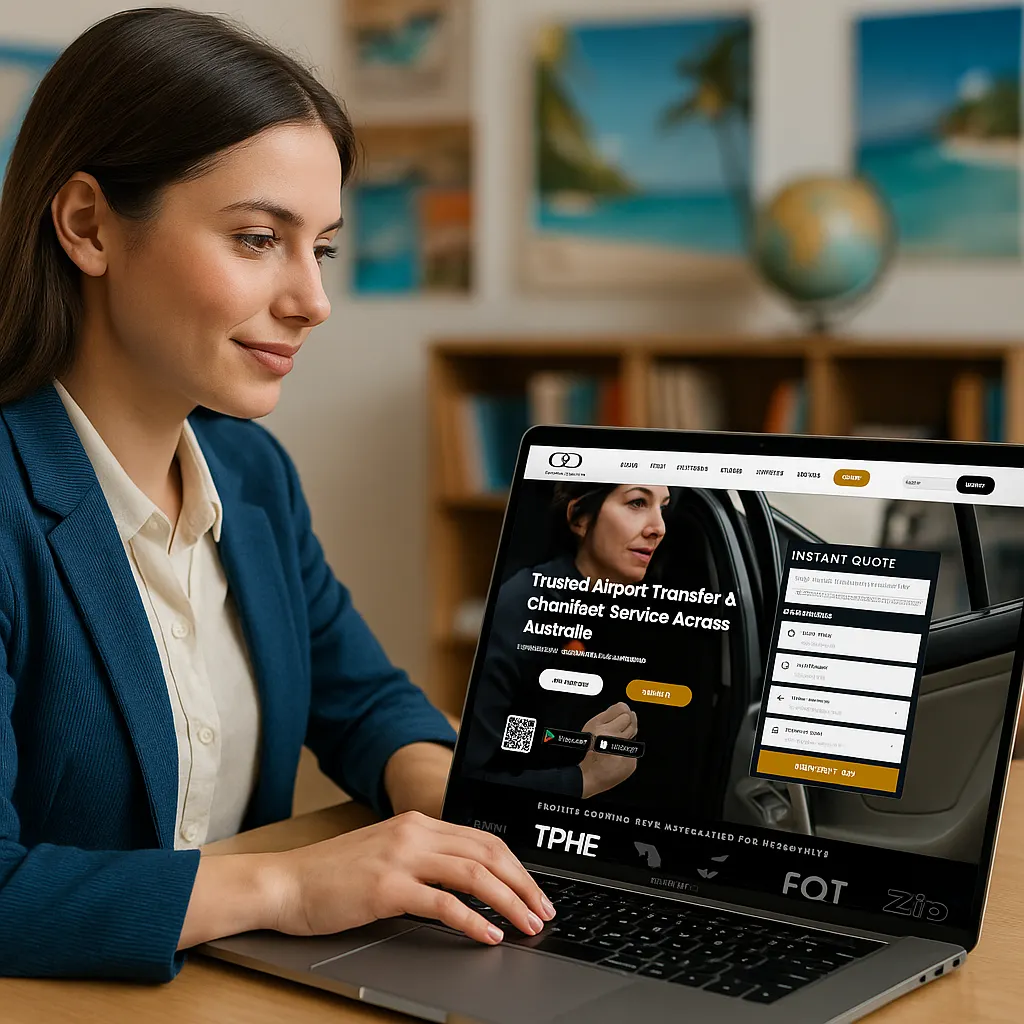
8 Corporate Travel Trends Reshaping Australian Business Transport in 2026



Save $50 on Your First Ride with Cars On Demand.

By Simon Kalipciyan, Chief Operating Officer, Cars on Demand
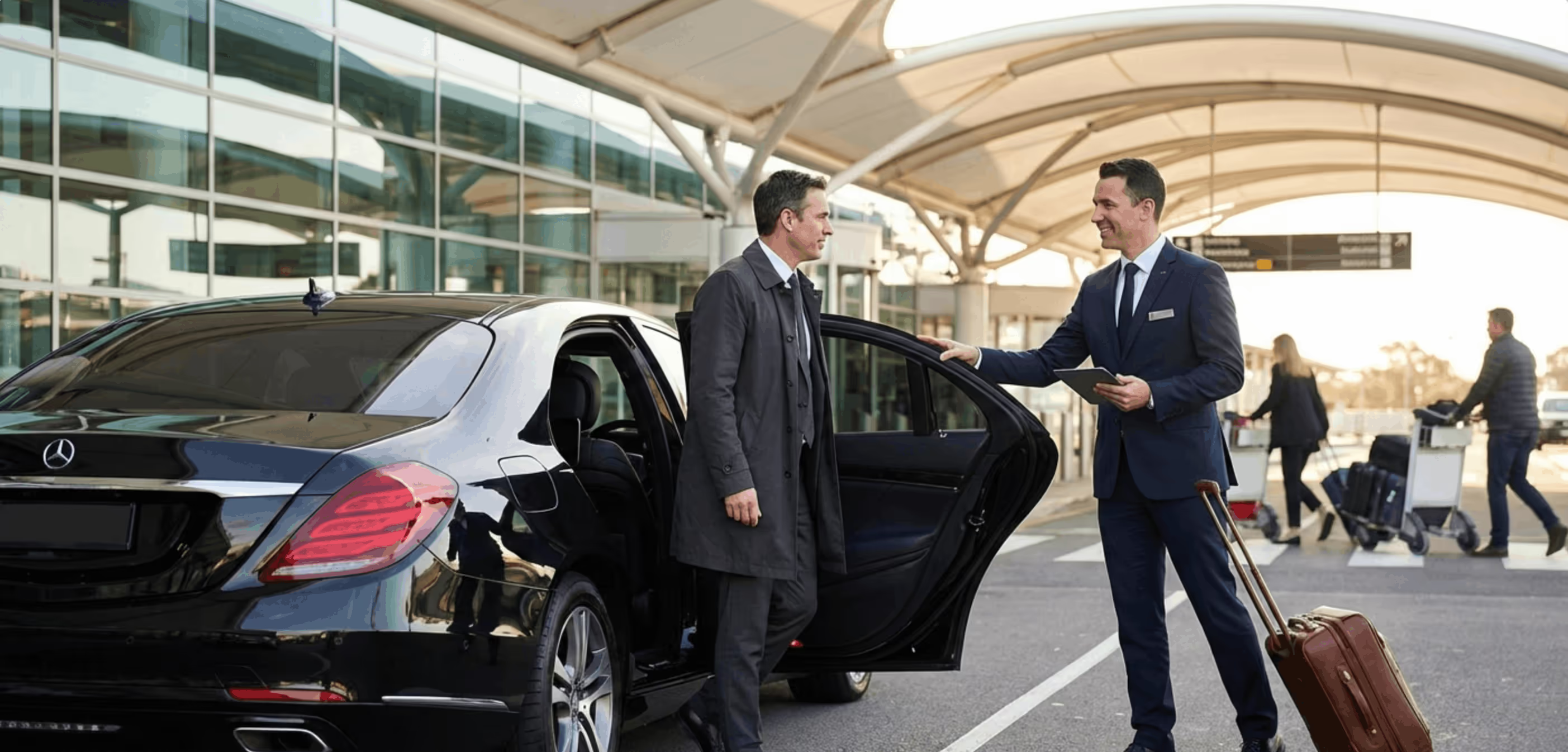
A corporae chauffeur greeting a VIP passenger
Key Takeaways
- Global business travel spend projected to hit US$1.69 trillion in 2026 — corporate travel is roaring back
- AI moves from hype to practical necessity — predictive rebooking and automated itinerary management become standard
- Sustainability reporting now mandatory — companies must disclose Scope 3 emissions including ground transport
- Traveller wellbeing becomes a KPI — flexible bookings and balanced itineraries are no longer perks, they’re expectations
- Duty of care is non-negotiable — 90% of travellers will decline trips if they feel unsafe
- Ground transport matters more than ever — with scrutiny on every journey, premium chauffeur services offer reliability, sustainability data, and executive care
The corporate travel landscape is transforming faster than a Sydney CBD commuter can say “traffic jam.” As we navigate 2026, the Global Business Travel Association (GBTA) predicts global business travel spend will reach approximately US$1.69 trillion — a staggering figure that reflects both recovery and reinvention.
But here’s what the industry reports don’t always emphasize: while everyone focuses on airfares and hotel rates, ground transportation has become the silent differentiator in corporate travel programs. Let me explain why, and what it means for Australian businesses managing executive travel across Sydney, Melbourne, Brisbane, and beyond.
Trend 1: Sustainability Goes from Checkbox to Audit Trail (And Your Ground Transport Is Being Watched)
According to Business Travel News, 20% of travel buyers now have specific carbon-reduction targets tied to business travel activity. Meanwhile, nearly 60% of travellers are concerned about the carbon footprint of their work trips.
Here’s the kicker: while companies obsess over flight emissions, they often overlook ground transport in their sustainability calculations. The EU’s Corporate Sustainability Reporting Directive (CSRD) has changed that game completely. Companies must now disclose Scope 3 emissions, bringing “flights, accommodation, and ground transport under scrutiny.”
What This Means for Australian Corporate Travel
At Cars on Demand, we’ve been ahead of this curve. Our premium fleet includes newer, more fuel-efficient vehicles, and we’re actively tracking emissions data for corporate clients who need it for their sustainability reporting.
But here’s what sustainability reporting misses: efficiency isn’t just about the vehicle — it’s about the entire journey. A professional chauffeur who knows the optimal routes, monitors traffic in real-time via our RideMinder technology platform, and gets executives to their destinations without detours or delays? That’s sustainability in action.
Compare that to rideshare drivers circling airports waiting for pings, taking inefficient routes through unfamiliar cities, or the executive who rents a car and spends 30 minutes searching for parking. Suddenly, premium chauffeur service looks pretty green.
Pro tip for Travel Managers: When calculating your Scope 3 emissions, demand transparency from your ground transport providers. We provide detailed journey data including actual kilometers traveled, vehicle type, and route efficiency — not estimates, but real data you can use for accurate reporting.
Trend 2: Why AI Can’t Replace Your Chauffeur (Yet)
The corporate travel industry is obsessed with AI, and for good reason. FCM Travel reports that around 80% of travellers used generative AI to research, plan, or book trips in 2025, and more than half of business travellers are comfortable letting AI handle the entire booking process.
Predictive AI is even analyzing flight disruptions and rebooking travellers before they receive cancellation notices. Impressive stuff.
But here’s where the AI revolution meets reality: when your CEO’s flight gets delayed at 11 PM, no chatbot is driving them back to their hotel. When a visiting executive needs to make three unscheduled stops across Melbourne between meetings, no algorithm is adapting the route in real-time while maintaining the professional discretion expected of premium service.
How Cars on Demand Uses AI to Enhance (Not Replace) Human Service
We’re not anti-technology — far from it. Our integration with the RideMinder dispatch platform — currently the hottest system in Australia with all major chauffeur companies now using it — leverages AI for:
- Predictive routing that accounts for traffic patterns, road works, and event schedules
- Automated flight tracking that adjusts pickup times before Executive Assistants even need to call
- Real-time car tracking via our corporate chauffeur booking app
- Intelligent dispatch that matches the right driver to the right corporate client based on preferences and history
The difference? Our AI enhances what professional drivers do best. It doesn’t try to replace the human judgment that makes premium chauffeur service irreplaceable.
As FCM’s Global Head of Product, Sandra Espada, puts it: “AI can automate a million tasks, but it is the collaboration between human agents and intelligent systems that delivers real outcomes for travellers.”
We couldn’t agree more. Book through our mobile and web booking platform and you’ll experience technology serving human excellence, not replacing it.
Trend 3: When Traveller Wellbeing Becomes Your Bottom Line
Corporate traveller wellness is climbing from talking point to key performance metric. A booking.com study found that 59% of travellers eat healthier on trips, 48% exercise, and nearly half prioritize connecting with loved ones while away.
Companies are responding with policies that allow blended travel, remote work, and buffer days to avoid burnout.
The Ground Transport Wellbeing Factor
Here’s what the corporate travel trend reports miss: the quality of ground transportation dramatically impacts traveller wellbeing. Consider two scenarios:
Scenario A: Executive lands at Sydney Airport after a red-eye from Singapore. Queues for 20 minutes for a taxi. Driver doesn’t help with luggage. Takes a longer route. Attempts conversation when the executive clearly needs quiet time. Drops them at the wrong hotel entrance.
Scenario B: Same executive, same flight. Professional chauffeur waiting at the designated meeting point. Immediately assists with luggage. Recognizes from previous trips that this client prefers silence during early morning transfers. Uses optimal route to the hotel. Drops directly at the executive entrance.
Which executive arrives at their hotel in better condition to perform their work duties?
FCM’s Global COO, Melissa Elf, notes: “We know productivity and flexibility in booking are just as important as cost. More than half of our customers’ bookings are rebooked or rescheduled. Agility in travel management is essential.”
This agility extends to ground transport. When an executive’s meeting runs late, our drivers adapt. When travel plans change, our online booking system allows instant rebooking. When wellbeing matters, professional chauffeur service delivers what rideshare algorithms cannot.
Trend 4: Value-Based Travel Decision Making (Where Every Dollar Gets Interrogated)
Money’s tight, and every trip needs to earn its keep. More than eight in ten companies are increasing or stabilizing their travel spend, but those budgets aren’t stretching like they used to.
FCM Consulting’s research shows airfares are down 3–5% globally, yet hotel rates remain volatile. Meanwhile, companies are reducing trip frequency but “cranking up the purpose, focusing on travel that moves the needle like sales, training, or client wins.”
When Every Trip Matters, Ground Transport Can’t Be an Afterthought
If your company is sending executives on fewer but more important trips, can you afford ground transport failures? Late pickups that cause missed flights? Unprofessional drivers who don’t understand corporate protocols? Vehicles that don’t reflect your company’s standards?
According to GBTA, 86% of travellers find work trips worthwhile, and 94% told SAP Concur that business travel is essential for their role success. But here’s the reality: one bad ground transport experience can undermine an entire trip’s value.
When your Regional Director travels from Brisbane to meet key clients, they need to arrive refreshed, prepared, and confident — not stressed from a chaotic airport transfer. When your executive team attends a critical conference in Melbourne, their ground transport should reinforce your company’s commitment to excellence, not contradict it.
This is why companies choosing Cars on Demand view premium chauffeur service as an investment in trip success, not just a transportation expense.
Trend 5: The Duty of Care Gap in Ground Transport
With geopolitical tension, cyber threats, health risks, and extreme weather events intensifying, duty of care has moved from corporate policy to boardroom accountability. Nine in ten travellers told SAP Concur they’d decline a trip if they felt unsafe.
Healix’s Risk Radar Report 2025 found that political instability and governance are top corporate concerns worldwide, both of which directly impact mobility. FCM Consulting reports that many companies are moving toward “multi-department discipline risk ecosystems, linking HR, security, and travel for faster, centralised responses.”
Ground Transport: Your Overlooked Duty of Care Component
When corporate travel managers discuss duty of care, they focus on destination safety, medical coverage, and emergency evacuation plans. Ground transport often gets a passing mention at best.
Yet consider the duty of care implications:
Driver Vetting: Do you know who’s driving your executives? Our 1,500 professional drivers undergo comprehensive background checks, regular training, and ongoing performance monitoring.
Vehicle Safety: Are the vehicles your executives use maintained to the highest standards? Our premium fleet undergoes rigorous maintenance schedules and safety inspections.
Real-Time Tracking: Can you locate your travelling executives in an emergency? Our app-based tracking system provides real-time location data.
Professional Response: If something goes wrong during ground transport, who’s responsible? Our drivers are trained in emergency response protocols and are backed by 24/7 operational support.
Consistent Standards: When your executives travel across Sydney, Perth, Adelaide, and Darwin, do they receive the same safety standards? Our nationwide operations ensure consistency that rideshare services cannot guarantee.
Duty of care isn’t just about international SOS coverage — it starts the moment your executive steps off the plane.
Trend 6: The Ancillary Revenue Trap (And Why Transparent Pricing Wins)
Airlines have discovered their love language: add-ons. Ancillary revenue, from seats to Wi-Fi and snacks, makes up to 50% of airline income for some carriers and is expected to hit USD $178 billion by 2032.
Jason Kramer, FCM Consulting Senior Air Consultant, notes: “While base fares remain fundamental to an airline’s pricing strategy, ancillary income has and will continue to become critical for profitability and programme planning.”
The Ground Transport Ancillary Trap
The airline industry’s ancillary revenue model has infected ground transport, and not in a good way. Rideshare services now charge extra for:
- Ride preferences (quiet mode, temperature)
- Vehicle size upgrades
- Priority pickup
- Scheduled rides
- Premium support
Suddenly that “cheap” rideshare fare doesn’t look so economical.
The Ancillary Trap vs. Transparent Pricing
Comparison table
At Cars on Demand, our flat-fee pricing model is refreshingly straightforward:
- Quoted price = base transfer fee
- Actual costs added = airport parking fees and tolls (clearly itemized on your invoice)
- Everything else included = professional driver, premium vehicle, luggage assistance, meet and greet service, real-time tracking, flight monitoring
No surprise fees. No nickel-and-diming. No “priority pickup” surcharges because every booking receives priority treatment.
For corporate travel managers trying to control costs, this transparency matters. You can budget accurately, reconcile expenses easily, and avoid the awkward conversation about why your executive’s “budget-friendly” rideshare somehow cost $147 after all the fees.
Trend 7: The Hotel Experience Revolution (And Your Ground Transport Better Keep Up)
Hotels are reinventing themselves with boutique brands leading with “swanky in-room tech, curated business amenities, wellness centres, and personalised services.” Traditional chains are adapting with lifestyle offerings and focused customer service.
Rachel Newns, FCM Consulting Global Hotel Practice Lead, observes: “Traveller preferences will drive hotels to offer more personalised experiences. Every company is different, so travel managers should understand their traveller needs and identify hotels that reflect those experiences.”
The Ground Transport Experience Gap
If your company books five-star hotels for executives but arranges ground transport as an afterthought, you’re creating an experience gap that travellers notice.
Imagine this journey:
- Depart: Executive stays at Park Hyatt Sydney, enjoying impeccable service
- Transfer: Hails a random rideshare driven by someone with 200 trips experience, vehicle smells vaguely of fast food, driver attempts to make conversation about cryptocurrency
- Arrive: Meeting with major client where professionalism and presentation matter
That experience gap undermines everything the premium hotel accommodation was meant to achieve.
Now imagine the alternative:
- Depart: Same Park Hyatt stay with premium service
- Transfer: Professional chauffeur from our Sydney airport limo service, immaculate late-model vehicle, driver who understands corporate protocols, seamless experience
- Arrive: Executive arrives composed, confident, ready to perform
The experience is consistent with the standards your company maintains everywhere else.
Premium hotels understand this, which is why many recommend Cars on Demand to their corporate guests. They recognize that ground transport is part of the total travel experience, not a separate commodity purchase.
Trend 8: When Events Drive Half Your Travel Budget (Ground Transport Can Make or Break It)
Meetings and events are taking up a larger slice of corporate travel budgets. FCM Travel found that over half of travel spend is expected to go toward conferences and gatherings, as “face-to-face time regains its edge over virtual conferencing.”
Event planners are laser-focused on experiences and personalization. Cvent data shows planners are chasing memorable moments through unique venues (49%), but it’s “the whole package — location, audience involvement, social elements, and incredible on-stage talent — that’ll create events people want to attend.”
The Ground Transport Component No One Talks About
Here’s what event planners often overlook: attendee experience begins the moment they land at the airport, not when they enter your venue.
For major corporate events in Australia, coordinating ground transport for executives, speakers, and VIP attendees is often treated as a logistical afterthought. But consider the impression created when:
Scenario A: Your keynote speaker’s rideshare driver gets lost, drops them at the wrong entrance, and makes them late for sound check.
Scenario B: Your keynote speaker is met by a professional chauffeur who knows the venue, coordinates timing with your event team, and delivers them directly to the VIP entrance with time to spare.
Which scenario reflects the “event experience economy” your company is investing thousands to create?
For events across Gold Coast, Sunshine Coast, Cairns, and Canberra, we regularly coordinate transportation for conferences, product launches, and corporate celebrations. Our event coordinators work directly with planners to ensure ground transport enhances rather than undermines the experience.
Simone Seiler, Global General Manager of FCM Meetings & Events, notes: “It’s clear that the industry’s future growth will be defined by how well we deliver unique and personalised service, enable and encourage responsible travel choices, and design events that are accessible and engaging on every level.”
Ground transport is part of that “every level” equation.
What These 8 Trends Mean for Australian Corporate Travel Programs
Let me synthesize these trends into practical implications for Australian travel managers:
1. Sustainability Reporting Demands Better Ground Transport Data
You need providers who can deliver actual emissions data, not estimates. Ask your current providers: can they document the carbon footprint of each journey? We can.
2. AI Should Enhance, Not Replace, Human Judgment
Technology that serves your travelers beats technology that replaces them. Choose ground transport providers whose tech empowers drivers rather than eliminating them.
3. Wellbeing Impacts Productivity
The quality of ground transport affects executive performance. Budget-conscious choices that save $30 but cost hours of productivity are false economies.
4. Every Trip Needs to Deliver Value
When travel frequency decreases but importance increases, ground transport cannot be the weak link that undermines trip success.
5. Duty of Care Extends to Every Journey
Your responsibility doesn’t pause during the airport transfer. Choose providers with verified drivers, maintained vehicles, and real accountability.
6. Transparent Pricing Beats Hidden Fees
Flat-fee models with clearly itemized actual costs let you budget accurately and avoid unpleasant surprises.
7. Experience Consistency Matters
If you book premium flights and hotels, don’t create experience gaps with budget ground transport that doesn’t match your standards.
8. Event Success Depends on Every Detail
Ground transport can enhance or undermine your event experience. Treat it as part of the event program, not separate logistics.
The Cars on Demand Advantage in 2026’s Corporate Travel Landscape
As these eight trends reshape corporate travel, Cars on Demand’s value proposition becomes clearer:
✓ Sustainability: Fleet emissions data for accurate Scope 3 reporting
✓ Technology: RideMinder platform and app-based booking
✓ Wellbeing: Professional drivers who understand when to assist and when to give space
✓ Value: 99.99% on-time reliability that protects trip ROI
✓ Duty of Care: Verified drivers, maintained fleet, real-time tracking, 24/7 support
✓ Transparent Pricing: Flat fees plus actual costs, clearly itemized
✓ Consistent Experience: Same premium standards across all Australian operations
✓ Event Capability: Dedicated coordination for conferences and corporate gatherings
A Final Word on Trends vs. Fundamentals
Corporate travel trends come and go. AI will evolve. Sustainability regulations will tighten. Hotel experiences will continue reinventing themselves. Event formats will shift.
But some fundamentals remain constant:
- Executives need to arrive on time, refreshed, and prepared
- Companies are responsible for traveler safety and wellbeing
- Premium service creates value that budget options cannot match
- Professional human judgment adapts to situations algorithms cannot anticipate
After 35+ years building Australia’s premier chauffeur service, we’ve seen trends come and go. What hasn’t changed is the value of professional ground transport that treats every journey as an opportunity to deliver excellence.
As global business travel spend approaches US$1.69 trillion in 2026, Australian companies have a choice: treat ground transport as a commodity expense to minimize, or recognize it as a strategic component of corporate travel that impacts sustainability reporting, duty of care, traveler wellbeing, and trip success.
We know which choice leading Australian companies are making. They’re booking through our platform because they understand that in an era of tightening budgets and heightened expectations, premium ground transport isn’t a luxury — it’s essential infrastructure for corporate travel that works.
Ready to align your ground transport with 2026’s corporate travel realities? Contact Cars on Demand at 1300 638 258 or visit www.carsondemand.com.au
About the Author
Simon Kalipciyan is Chief Operating Officer of Cars on Demand, Australia’s premium chauffeur service established in 1990. With operations across Sydney, Melbourne, Brisbane, Perth, Adelaide, Canberra, Darwin, Gold Coast, Sunshine Coast, and Cairns, Cars on Demand maintains a 99.99% on-time reliability record serving over 5,000 Executive Assistants and corporate clients nationwide. Simon regularly provides industry analysis on corporate travel trends and their implications for Australian businesses.
For corporate travel management teams seeking ground transport that aligns with 2026’s sustainability, technology, and duty of care requirements, explore our corporate programs or contact our team for a consultation.
.avif)
Get a quote in 8 seconds