‘Fully Autonomous’ Isn’t So Autonomous After All: The Reality Behind Waymo’s Robotaxis


Save $50 on Your First Ride with Cars On Demand.

Meet your Waymo Driver !
When Waymo’s Chief Safety Officer revealed to US lawmakers that their ‘fully autonomous’ robotaxis rely on remote operators in the Philippines, it raised serious questions about the future of autonomous vehicles and validated the irreplaceable value of experienced, professional drivers.
KEY TAKEAWAYS
- Waymo admits to using remote operators in the Philippines for ‘autonomous’ rides
- US Senators raise concerns about cybersecurity and outdated road data
- Complex Australian roads (like Melbourne hook turns) require local expertise, not remote guesses
- Cars on Demand guarantees 100% local, professional Australian drivers
Picture this: You’re riding in what’s marketed as a fully autonomous vehicle. No driver, no human intervention, just cutting-edge AI navigating the streets. But when that AI encounters a challenging situation, what happens?
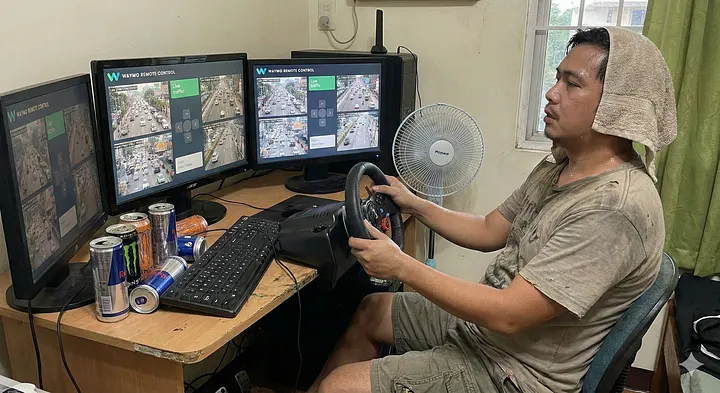
According to recent Senate testimony, Waymo’s robotaxis call for help from remote operators based in the Philippines.
This reveals a stark reality: the company marketing ‘fully autonomous’ vehicles still needs human drivers. They’ve just outsourced them overseas.
Please Meet Your Waymo ‘Driver’
During this week’s Senate Commerce Committee hearing on autonomous vehicles, Dr. Mauricio Peña, Waymo’s Chief Safety Officer, confirmed what few consumers understood: when Waymo’s AI encounters a situation it can’t handle, it connects with human operators for guidance.
Senator Ed Markey of Massachusetts pressed Peña on the details: “When an AV such as a Waymo encounters a situation on the road that it doesn’t know how to handle, the Waymo phones a human friend for help.”
The ‘human friend’? A remote operator who may be sitting in an office halfway around the world.
When asked where these operators are located, Peña acknowledged they have “some in the U.S. and some abroad,” specifically mentioning the Philippines. When pressed for specific numbers, he couldn’t provide a breakdown of how many operators work domestically versus internationally.
Waymo Senate Hearing
Watch Senator Markey’s questioning here: Senate Hearing on Waymo Remote Operators
Three Critical Questions About Autonomous Vehicles
1. Are We Overselling the Autonomous Revolution?
If artificial intelligence still requires human judgment for complex driving scenarios, are we being honest about the true state of autonomous vehicle technology? The revelation suggests that ‘fully autonomous’ may be more marketing than reality.
Waymo operates over 2,000 electric Jaguar I-PACE vehicles across Phoenix, San Francisco, Los Angeles, Austin, and Atlanta, performing more than 50,000 fully driverless rides weekly. Yet each of these vehicles may rely on overseas human intervention when faced with challenging situations.
2. What Are the Cybersecurity Implications?
Senator Markey didn’t mince words: “Having people overseas influencing American vehicles is a safety issue. The information the operators receive could be out of date. It could introduce tremendous cybersecurity vulnerabilities.”
Lawmakers raised concerns about:
- Remote operators potentially receiving outdated information
- Cybersecurity vulnerabilities from international connections
- Questions about whether operators hold US driver’s licenses or understand US road rules
- The need for split-second interventions across time zones and continents
3. Does This Validate the Value of Professional Drivers?
Here’s the ultimate irony: the technology designed to replace professional drivers still depends on professional drivers. They’ve simply been moved offshore and rebranded as ‘remote assistance operators’ or ‘fleet response agents.’
If AI needs human expertise to navigate complex scenarios, doesn’t that prove the irreplaceable value of experienced, local drivers who understand their roads, traffic patterns, and communities?
Safety Investigations Continue to Mount
The Senate hearing came just weeks after a Waymo robotaxi struck a child near an elementary school in Santa Monica, California, on January 23, 2026. The child was running across the street toward the school during drop-off hours when the incident occurred.
This incident triggered federal safety investigations by both the National Transportation Safety Board and the National Highway Traffic Safety Administration. Multiple investigations are already underway following several incidents where Waymo vehicles drove past stopped school buses while students were boarding or exiting.
In December 2024, Waymo recalled more than 3,000 vehicles to update software that specifically prevented robotaxis from passing stopped school buses — a violation that significantly increases crash risk, particularly around vulnerable school-age children.
What This Means for Australian Transport
For those of us in the transport and mobility sector, this revelation is significant. While autonomous vehicle technology continues to advance, the timeline for truly driverless vehicles appears longer than the hype suggests.
Australian roads present unique challenges that even the most sophisticated AI struggles to navigate:
- Complex traffic patterns in CBD areas during peak hours
- Construction zones and road closures requiring real-time decision-making
- Special events requiring knowledge of temporary road changes
- Airport terminal procedures and pickup protocols
- Meeting and greeting arriving passengers inside terminals
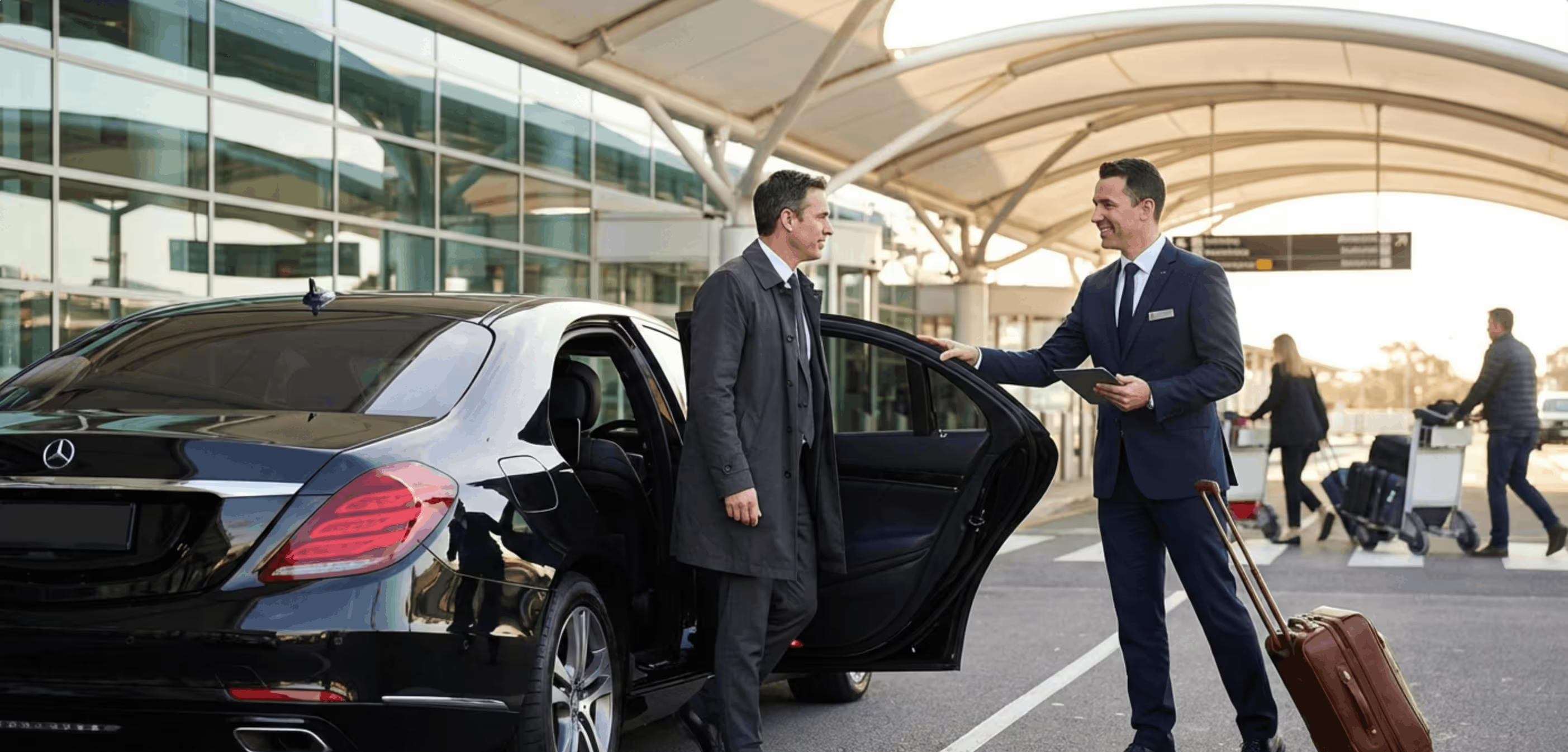
That last point is particularly important. One advantage that premium chauffeur services offer over both rideshare apps and autonomous vehicles is the ability to provide genuine meet and greet service at airports. A professional driver can track flight arrivals, meet passengers inside the terminal, assist with luggage, and provide a seamless door-to-door experience — something no robotaxi can replicate.
The Australian Context: Why Local Expertise Matters
If Waymo’s robotaxis in major US cities require remote operator assistance from call centers in Manila for challenging scenarios, imagine the complexity of navigating Australian cities:
Sydney: Negotiating the Cross City Tunnel tolls, peak-hour chaos on the Harbour Bridge, and Sydney Airport’s complex international and domestic terminal procedures requires split-second local judgment. Our drivers also provide premium Sydney airport limo service that no robotaxi can match.
Melbourne: Could a remote operator safely navigate a ‘Hook Turn’ in the CBD or manage the extensive tram network interactions? Melbourne airport transfers require drivers who know the city, not just the map, especially during major sporting events that affect CBD traffic.
Brisbane: River crossings with varying toll requirements and rapidly changing one-way systems require on-the-ground awareness. Our Brisbane airport transfers are managed by drivers who understand the city’s unique infrastructure.
Perth & Adelaide: Sprawling freeway systems and unique CBD layouts demand drivers who know the territory. Perth airport transfers and Adelaide airport transfers require local expertise, particularly during festival seasons when traffic patterns change dramatically.
Canberra: Parliamentary triangle navigation during sitting periods and diplomatic quarter protocols require understanding that goes beyond GPS. Our Canberra airport transfers serve the nation’s capital with appropriate professionalism.
Queensland Coast: Tourist destinations like the Gold Coast, Sunshine Coast, and Cairns have unique seasonal traffic patterns and resort pickup protocols that demand local knowledge.
Darwin: Northern Territory’s unique road conditions and Darwin airport transfers require understanding of tropical weather impacts and local infrastructure.
The Irreplaceable Value of Local Expertise
Waymo’s revelation inadvertently highlights what experienced drivers have always known: transportation isn’t just about getting from Point A to Point B. It’s about:
Local Knowledge: Understanding the fastest routes during different times of day, knowing which streets to avoid during special events, and adapting to unexpected road closures.
Professional Service: Greeting passengers warmly, assisting with luggage, maintaining vehicle cleanliness, and providing a comfortable, professional environment in our premium fleet.
Reliability: Being accountable for service delivery, maintaining communication with passengers, and ensuring on-time arrivals for critical appointments — especially important for executive assistants managing executive travel.
Safety: Making judgment calls in real-time based on experience, not waiting for remote operators in another country to provide guidance.
For business travelers and executive assistants managing corporate transport, these factors aren’t luxuries — they’re essential. Learn more about why CEOs choose Cars on Demand for their airport transfers and corporate transport needs.
Technology Should Enhance Professional Service, Not Replace It
The Waymo revelation doesn’t mean technology has no place in professional transport. Rather, it demonstrates that the most effective approach combines technological innovation with human expertise.
Modern chauffeur services leverage advanced technology to enhance the passenger experience:
- RideMinder dispatch system that ensures optimal vehicle allocation
- Real-time flight tracking for airport pickups
- Mobile apps for easy booking and ride tracking
- Transparent fixed pricing with no surge pricing surprises
- 24/7 customer support through AI-assisted systems
This approach delivers the convenience and efficiency of technology while maintaining the professionalism, reliability, and local expertise that only experienced drivers can provide.
The Bottom Line: Human Expertise Isn’t Going Anywhere
Waymo’s admission to US lawmakers reveals an inconvenient truth for the autonomous vehicle industry: despite billions in investment and years of development, AI still cannot fully replicate human judgment, local knowledge, and professional service.
For Australian business travelers, executive assistants managing corporate transport, and anyone who values reliability and professional service, this validates what we’ve always known: there’s no substitute for experienced, locally-based professional drivers who understand their cities and are accountable for their service.
The technology is undoubtedly impressive, and it will continue to evolve. But this week’s Senate revelation suggests that truly autonomous vehicles — ones that genuinely require no human intervention — remain further in the future than many predicted.
Until then, professional drivers across Australia can rest assured: your skills, experience, and local expertise remain invaluable and irreplaceable.
Experience the Difference of Professional Chauffeur Service
While the autonomous vehicle industry works out its challenges, Cars on Demand continues to provide reliable, professional chauffeur services across Australia. Our experienced drivers offer:
- 99.99% on-time reliability for airport transfers and corporate transport
- Genuine meet and greet service at airports (something no robotaxi can provide)
- 100% local expertise — all Australian-based professional drivers
- Transparent fixed pricing with no surge pricing
- Advanced RideMinder dispatch technology combined with human professionalism
- 24/7 support from our Australian-based team
Special Offer: New customers can enjoy $50 off their first airport transfer.
Book your next airport transfer or corporate transport with confidence. Visit carsondemand.com.au or register instantly at carsondemand.link/register.
For questions, contact our 24/7 AI-assisted support at 1300 638 258 or admin@carsondemand.com.au. Bookings are made exclusively through our app or online registration for your security and convenience.
What’s your take on autonomous vehicles? Are we asking the right questions about their deployment, or is the industry moving too fast without addressing fundamental safety and reliability concerns? This week’s Waymo revelation suggests we need a more honest conversation about the true capabilities — and limitations — of self-driving technology.
.avif)
Get a quote in 8 seconds