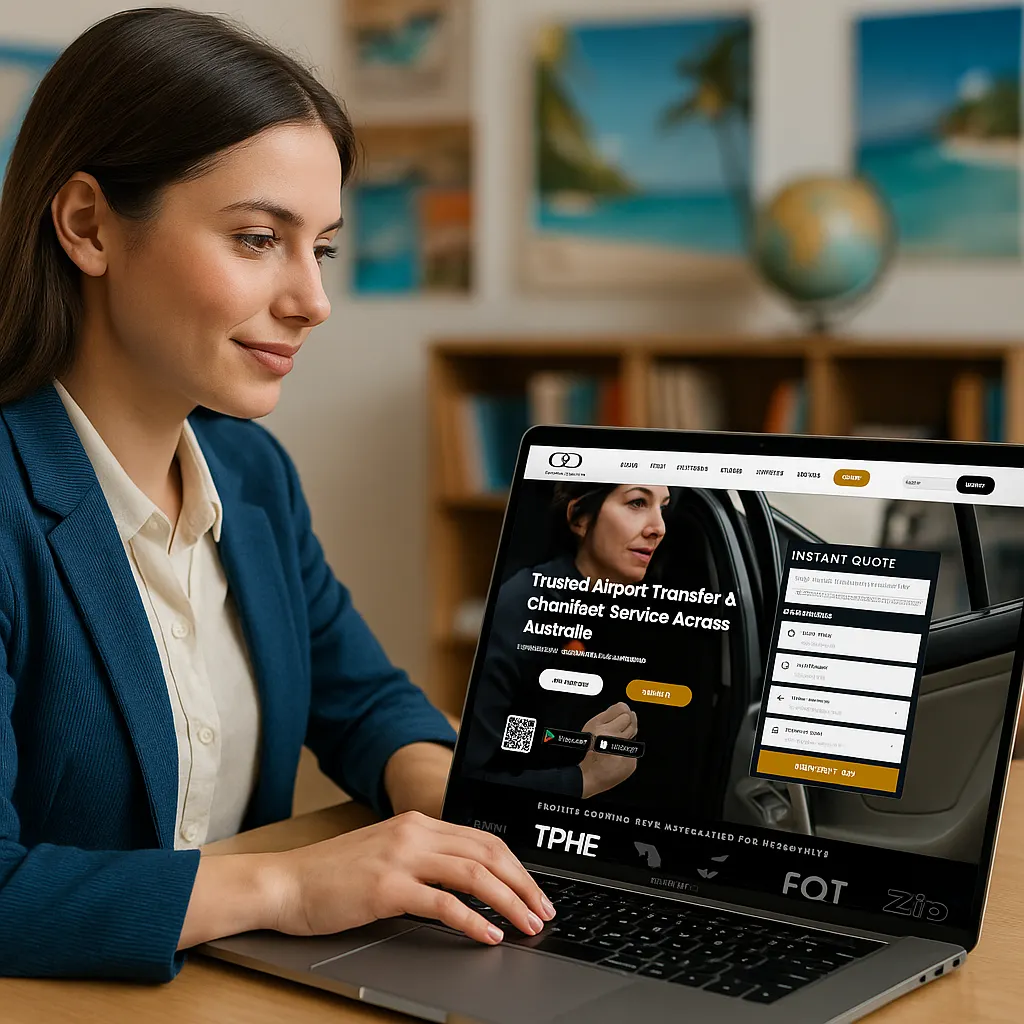



Corporate transport should make a busy day feel more controlled. It should not create another inbox thread, another missing receipt, another unclear pickup point or another passenger asking, "Who is collecting me?"
For Executive Assistants, office managers and travel managers, transport is rarely just transport. It is part of the wider rhythm of the business day. Executives need to move between commitments. Clients need to feel looked after. Guests need clear instructions. Finance needs records. And the person coordinating everything needs visibility without having to chase every trip manually.
Managing travel for executives, clients or guests?
Register with Cars On Demand to book, manage and track professional transport across Australia.
The real problem is not booking one car
Booking one car is easy. The problem begins when there are multiple travellers, multiple cities, changing schedules and different expectations for each passenger. A CEO may need a discreet early pickup. A client may need a hotel transfer. A board member may need a vehicle with more space. A visiting team may need several cars across one afternoon.
When those trips are managed one by one, the admin multiplies. Passenger details get re-entered. Payment methods change. Receipts go missing. Pickup notes sit in separate emails. The person coordinating transport becomes the system holding it all together.
What corporate bookers actually need
The best corporate transport setup is not just about nicer cars. It is about giving the booker more control and giving the passenger a smoother experience. That means fewer manual steps, clearer records and a service standard that fits the people being moved.
| What the booker needs | Why it matters |
|---|---|
| Passenger profiles | Frequent travellers can be booked again without rebuilding every trip from scratch. |
| Multiple payment options | Different executives, teams or clients may need different billing arrangements. |
| Receipts and trip history | Finance follow-up becomes easier when records are not scattered across inboxes. |
| Booking visibility | The organiser can stay informed without constantly contacting the passenger or driver. |
| Reliable service standards | The passenger experience reflects on the company arranging the travel. |
Why EAs and travel managers feel the pressure most
The passenger sees the ride. The EA sees everything around it. The calendar pressure. The meeting time. The fact that the passenger has not landed yet. The client who needs to be collected from a hotel. The receipt that finance will ask for later. The last-minute change that has to be fixed without drama.
Good corporate transport respects that reality. It should make the organiser's day easier, not simply move the passenger and leave the admin behind.
Where corporate transport adds the most value
Professional transport is especially useful when the journey has a business purpose beyond getting from one address to another. Common examples include:
- Executive movements: regular travel for senior leaders who need consistency and discretion.
- Client hosting: transfers that help guests feel expected and looked after.
- Board and investor days: planned transport for people whose time is tightly managed.
- Roadshows: multi-stop itineraries where delays can affect the whole day.
- Events and conferences: coordinated movement between hotels, venues and meetings.
- Interstate travel: one provider supporting passengers across multiple cities.
The passenger experience matters too
Corporate transport is not only about making the booker more efficient. It also improves the passenger experience. A senior traveller should not be decoding pickup instructions or wondering whether the car is appropriate. A client should not feel like an afterthought. A visiting guest should not have to manage unfamiliar local transport after a long trip.
When transport is handled well, passengers may barely notice the work behind it. They simply arrive where they need to be, when they need to be there, in a calm and professional way.
What to look for in a corporate transport partner
Before choosing a provider, look beyond the vehicle list. The operational side matters just as much:
- Can you book for more than one traveller?
- Can passenger details be saved for future trips?
- Can receipts and booking history be accessed easily?
- Can the service support different cities?
- Is the experience suitable for executives and clients?
- Is there support if details change?
If the answer to those questions is unclear, the service may still leave too much work with the organiser.
How Cars On Demand supports corporate teams
Cars On Demand is designed for people who manage travel as well as people who take the ride. Executive Assistants, PAs, office managers and travel coordinators can arrange journeys for multiple passengers, manage details from one place and support a more consistent standard of transport across Australia. The platform supports bookings in major business and event cities, including Sydney, Melbourne, Brisbane, Perth, Adelaide, Canberra, Gold Coast, Sunshine Coast, Cairns and Darwin.
It is built around the idea that corporate travel should be easy to book, easy to track and easy to reconcile afterwards.
How technology reduces the manual follow-up
For corporate bookers, technology is not a gimmick. It is what turns transport from a collection of one-off bookings into something manageable. The right platform helps with passenger profiles, payment details, trip records and booking visibility. That means less time searching inboxes and more confidence that each journey is properly arranged.
The technology behind Cars On Demand is built to support that experience, especially for users who arrange travel for other people.
Make transport one less thing to chase
The best corporate transport does not call attention to itself. It simply works. The passenger is collected. The organiser stays informed. The trip record exists when it is needed. The day keeps moving.
For busy teams, that is the value: fewer loose ends, fewer surprises and more confidence in the journey.
Helpful Cars On Demand links for corporate bookers
- Executive Assistant booking experience
- Cars On Demand technology
- Cars On Demand fleet
- $50 first-ride offer
Explore corporate transport with Cars On Demand
Cars On Demand helps Executive Assistants, travel managers and corporate teams arrange professional transport across Australia. Explore the Cars On Demand EA booking experience or book now / register here.
.avif)