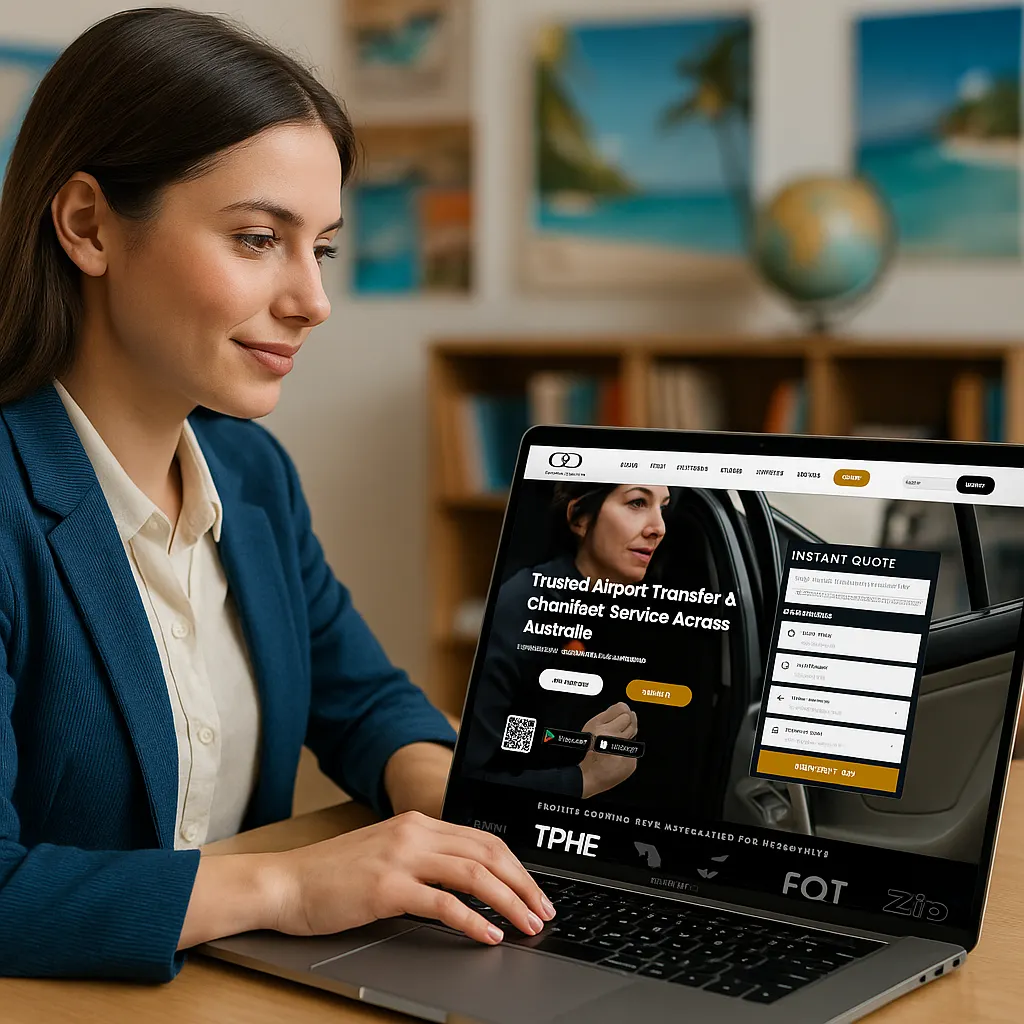



Executive Assistants should pre-book ground transport because travel days rarely become quieter once they begin. The calendar might look controlled at 8:00 am, but by mid-morning flights have shifted, a meeting has moved rooms, a client has asked for a later pickup, and someone needs a receipt from last Thursday. The less that is left unresolved, the better.
Pre-booking is not about being rigid. It is about removing the wrong kind of uncertainty. A confirmed transport plan gives the passenger confidence, gives the organiser visibility and prevents a routine transfer from turning into the problem everyone is suddenly watching.
For EAs, PAs, travel managers and office teams, ground transport is often one of those tasks that looks simple from the outside. Book a car. Get the person there. Done. But anyone who has arranged travel for senior people knows the real work sits in the details: who is travelling, where they should be met, what happens if the flight changes, who receives the updates, which payment method is used and how quickly the passenger needs to move after arrival.
The hidden cost of leaving transport until the day
Last-minute transport can work for casual personal trips. It is less reliable when the passenger is a senior executive, the destination is unfamiliar or the appointment time is fixed. Leaving transport open until the day often creates a chain of avoidable questions: Is a car available? Where should the passenger stand? What will it cost? Who has the driver's details? What happens if the driver cannot find the entrance? Who is chasing the receipt afterwards?
None of these questions is huge on its own. Together, they steal attention. And attention is exactly what an EA is usually trying to protect — for the executive and for themselves.
Want fewer last-minute transport problems?
Register with Cars On Demand to pre-book professional ground transport for executives, clients and guests.
Pre-booking protects the executive's calendar
An executive's calendar is usually built with care. Transport should support that structure, not test it. A pre-booked car helps anchor the travel portions of the day: pickup time, destination, vehicle, passenger details and payment information are already arranged before the passenger needs them.
This matters most when the transfer connects to something that cannot easily move: flights, board meetings, client presentations, site visits, speaking engagements, investor meetings or event arrivals. If the transport fails, the calendar does not simply absorb it. It creates a knock-on effect.
For air travel, COD has dedicated location pages to support planning in key cities, including Sydney airport transfers, Melbourne airport transfers, Brisbane airport transfers, Perth airport transfers, Adelaide airport transfers, Canberra airport transfers and Darwin airport transfers.
Pre-booking gives the passenger fewer decisions
Senior travellers already make enough decisions. They should not need to land at the airport, open an app, compare prices, find a pickup zone, message their assistant and hope the car arrives quickly. A pre-booked transfer means the passenger knows the plan before the trip begins.
That confidence is particularly useful after long flights, late arrivals or heavily scheduled days. The passenger can prepare for the next meeting, take a call, review notes or simply move through the journey without having to manage ground transport themselves.
Pre-booking helps the organiser stay ahead of admin
Transport administration does not finish at drop-off. Receipts, booking references, passenger records, payment details and trip history often matter later. When transport is booked through a proper platform, those details are easier to manage and less likely to disappear into email threads.
The Cars On Demand Executive Assistant page explains how EAs can manage multiple passengers, bookings and trip details in a more organised way. The Cars On Demand technology page also outlines the platform features that support booking visibility, trip management and repeat travel.
What should be pre-booked first?
If you cannot pre-book every single journey, start with the trips where failure would create the most disruption. These are the transfers that deserve priority:
- Early morning airport departures, when availability and timing are more sensitive.
- Late-night airport arrivals, especially for senior travellers or visiting guests.
- Board member and CEO travel, where punctuality and presentation matter.
- Client and VIP guest pickups, because transport becomes part of the hosting experience.
- Multi-stop roadshow days, where each delay affects the next appointment.
- Major event and stadium transfers, where pickup zones and crowds can complicate movement.
- Trips requiring larger vehicles, such as groups, luggage-heavy journeys or family travel.
When should you book?
For routine weekday transfers, book as soon as the meeting, flight or hotel details are confirmed. For peak periods, school holidays, major conferences, event days or larger vehicles, book earlier. If the passenger is important enough that a delay would become a visible problem, the booking is important enough to arrange in advance.
For stadiums and event venues, access can be more complicated than a standard pickup. COD's stadium pickup procedures are useful when planning event movements, especially when guests need a calm exit after a concert, conference, gala or sporting event.
Pre-booking does not remove flexibility
One reason people delay transport is the fear that plans might change. But pre-booking does not mean pretending the day is fixed. It means creating a starting point. If something changes, there is already a booking, a provider, a passenger record and a support channel to work from.
That is very different from trying to solve transport from scratch while the passenger is already waiting.
A simple pre-booking workflow for EAs
| Step | Action | Outcome |
|---|---|---|
| 1 | Confirm flight, meeting or event details. | You know the non-negotiable timing. |
| 2 | Add passenger details, pickup point and destination. | The booking is specific, not vague. |
| 3 | Choose the right vehicle for the passenger and luggage. | The transfer feels considered. |
| 4 | Send the passenger a short confirmation. | They know exactly what to expect. |
Pre-booking is not just efficient. It is considerate.
Good transport planning shows the passenger that their time matters. It also gives the EA or travel manager a calmer workflow. The best result is not dramatic. It is a travel day with fewer surprises, fewer messages and fewer avoidable decisions.
Cars On Demand helps EAs, PAs and corporate teams pre-book professional ground transport across Australia. Book now / register here.
.avif)