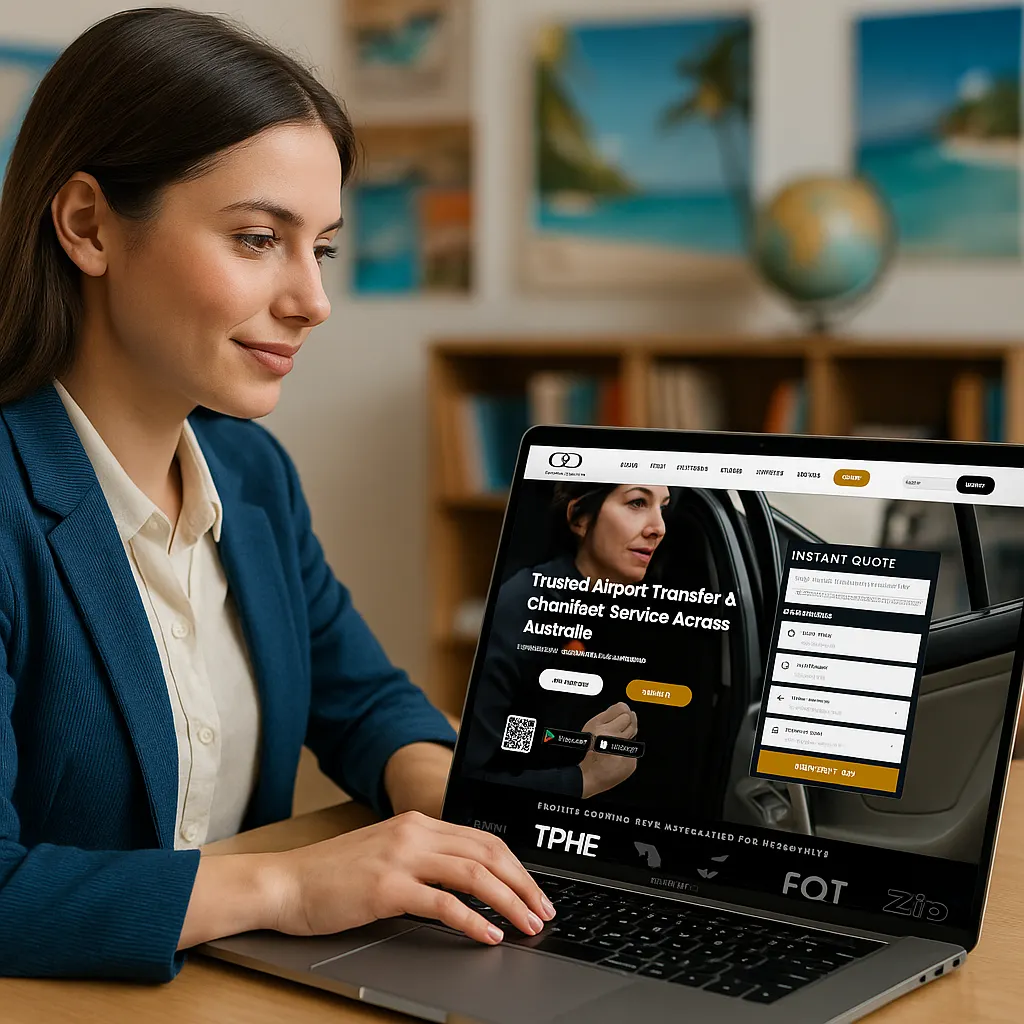
Baggage Allowance Guide: Australian & International Airlines (and the Right Car to Book)


Save $50 on Your First Ride with Cars On Demand.

Read this article and make the right choice
5-Second Summary: Most domestic economy fares in Australia include one checked bag (roughly 20–23kg) plus a 7kg carry-on. International economy typically stretches to 23–30kg checked, sometimes as two pieces, plus a 7kg carry-on. Business class usually lifts this to 32–40kg per bag. Once you know your bag count, the right airport transfer vehicle follows — see the vehicle guide further down.
Quick Reference: Domestic Baggage Allowance (Qantas, Virgin, Jetstar)
Qantas — Economy checked: ~23kg (1 bag; not included on lowest saver fares). Business checked: ~32kg (up to 2 bags). Carry-on: up to 2 pieces, 7kg each (personal item included within this).
Virgin Australia — Economy checked: ~23kg (Economy Choice and above; not on Saver fares). Business checked: ~32kg (up to 2 bags). Carry-on: 7kg main bag, plus 1 small personal item (handbag/laptop bag).
Jetstar — Economy checked: not included on Starter fares, ~20kg on bundled fares. Carry-on: 7kg, with any small item combined within that cap and strictly enforced.
Quick Reference: International Baggage Allowance
Qantas (international) — Economy: ~23–30kg (1–2 pieces, varies by route). Business: ~32kg (2 pieces). Carry-on: 7kg, plus a personal item on most routes.
Emirates — Economy: ~30kg total (weight concept). Business: ~40kg total. Carry-on: 7kg, plus a personal item.
Singapore Airlines — Economy: ~30kg total (weight concept ex-Australia). Business: ~40kg total. Carry-on: 7kg, plus a personal item.
Qatar Airways — Economy: ~30kg total (weight concept). Business: ~40kg total. Carry-on: 7kg, plus a personal item.
Air New Zealand — Economy: ~23kg per bag (1–2 pieces depending on fare). Business: ~32kg per bag. Carry-on: 7kg, plus a personal item.
Figures above are general industry ranges for planning purposes and vary by fare class, route, codeshare partner and loyalty status. Always confirm the exact allowance for your ticket in “Manage My Booking” before you pack.
What Is a Baggage Allowance?
A baggage allowance is the amount of luggage an airline lets you bring for free, measured by weight, by number of pieces, or a combination of both. It typically has two parts: your checked baggage allowance (bags that travel in the aircraft hold) and your carry-on allowance (what you bring into the cabin with you). Go over either limit and you’ll usually be charged an excess baggage fee at check-in — sometimes a significant one, especially on budget carriers.
Carry-On Baggage Rules: Does the 7kg Limit Include Your Handbag?
This is one of the most common questions travellers ask — and the honest answer is “it depends on the airline.” On most full-service carriers, the 7kg limit applies to your main cabin bag, and you’re separately allowed one small personal item, such as a handbag or laptop bag, that fits under the seat in front of you. That personal item usually isn’t weighed on its own, though it still needs to meet size restrictions. Budget carriers are typically stricter, sometimes combining your main bag and personal item into a single weight cap — so a heavy handbag can tip you over the limit. If you’re travelling with a laptop, camera gear or duty-free purchases, weigh your cabin bag before you get to the airport.
Can You Bring Two 30kg Bags on an International Flight?
It depends entirely on whether your fare uses a piece concept or a weight concept. Under a piece concept, some international economy and most business fares allow two separate checked bags, each up to a set weight (commonly 23–32kg each). Under a weight concept — common on Middle Eastern and Asian carriers ex-Australia — your allowance is one combined figure, such as 30kg total, which can usually be split across two bags but can’t simply be doubled. In other words: two bags at 15kg each would be fine under a 30kg weight-concept ticket, but two bags at 30kg each would not, unless your fare specifically grants two pieces at that weight. Check your booking’s baggage terms directly, as this is one of the most misunderstood parts of international travel.
Oversized & Excess Baggage: Golf Clubs, Surfboards, Prams & Sports Equipment
Sporting equipment, golf bags, surfboards, skis and prams are usually accepted by airlines as part of, or in addition to, your standard allowance — but they take up disproportionate space in a standard sedan boot. If you’re travelling with oversized items, it’s worth mentioning this when you book your airport transfer, limo service or private car, so the right vehicle — typically an SUV or van — is waiting for you rather than a sedan that can’t fit an 11kg golf bag alongside four suitcases.
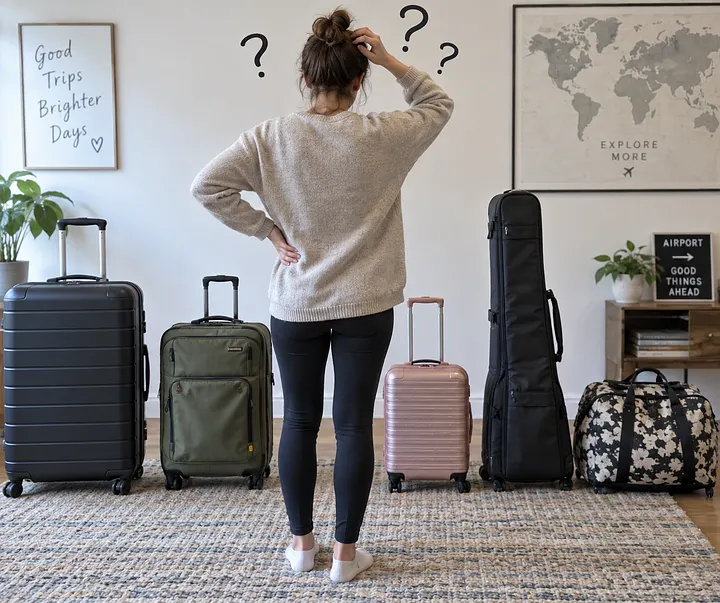
Choose your vehicle type wisely in order to avoid any issues at the time of collection
Which Airport Transfer Vehicle Should You Book Based on Your Luggage?
Now that you know your allowance, here’s the part that actually affects your trip home: rideshare and taxi vehicles aren’t sized for luggage, and drivers can (and do) decline a booking if your bags won’t fit. Match your car to your baggage before you land, not after.
1–2 checked bags + carry-on: Private Sedan — best for solo travellers, couples, business trips.
2–3 checked bags, or 2 pax with extra hand luggage: Premium SUV — best for small families, or EAs booking for executives with extra kit.
4+ checked bags, prams, golf bags, ski gear: People Mover / Van — best for families, group travel, sports and event trips.
Large group + significant luggage: Multiple vehicles, or a van-and-sedan combo — best for corporate teams, wedding parties, sports clubs.
Not sure which vehicle suits your group? Take a look at our fleet before you book, or simply note your bag count when you book online and we’ll match the vehicle for you — no guesswork, no surprises at the kerb.
Rideshare vs Private Chauffeur Service: Which Handles Luggage Better?
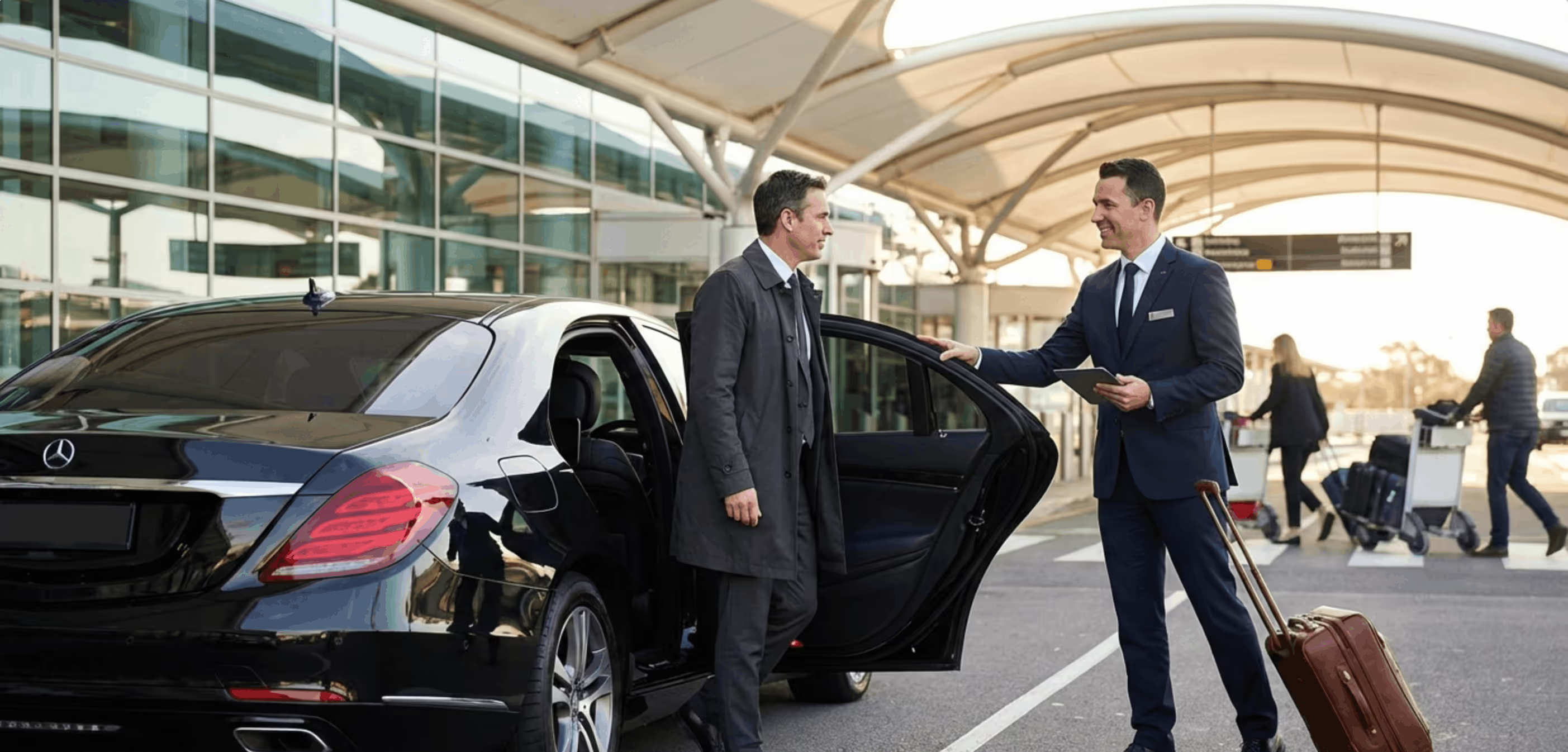
If you’ve ever stood at arrivals with a trolley full of bags waiting for a rideshare/marketplace platform driver to accept — or decline — your trip, you already know the problem. Vehicle size on those platforms is a lottery. A private chauffeur service lets you choose the vehicle in advance, based on exactly how much luggage you’re bringing.
Vehicle matched to luggage — Rideshare/Taxi: not guaranteed, usually a standard sedan. Cars on Demand: sedan, SUV or van chosen at booking to match your bag count.
Driver assistance with bags — Rideshare/Taxi: not guaranteed. Cars on Demand: professional chauffeur assists with all luggage.
Oversized items (golf bags, prams, surfboards) — Rideshare/Taxi: can be refused on the day. Cars on Demand: flagged at booking so the right vehicle is sent.
Flight delays affecting baggage claim wait — Rideshare/Taxi: fixed pickup window, may re-charge for waiting. Cars on Demand: flights tracked via RideMinder — your car adjusts to your actual landing time.
Pricing certainty (Cars on Demand — Recommended) — Rideshare/Taxi: metered or surge-based, can spike around events. Cars on Demand: fixed price confirmed at booking — book early to lock in your rate before event-night pricing applies.
Our flight-tracking technology, RideMinder, uses live aviation data so your chauffeur knows your actual arrival time — bags in hand — rather than a scheduled time that’s already changed.
👉 Why frequent flyers choose Cars on Demand
Airport Transfers Across Australia: Book the Right Car for Your City
Whether you need a private car, a chauffeur-driven airport shuttle alternative, or executive transport for a full team with luggage, Cars on Demand operates nationally. Find your city below:
👉 Sydney airport transfers 👉 Melbourne airport transfers 👉 Brisbane airport transfers 👉 Perth airport transfers 👉 Adelaide airport transfers 👉 Gold Coast airport transfers 👉 Sunshine Coast airport transfers 👉 Canberra airport transfers 👉 Cairns airport transfers 👉 Darwin airport transfers
Travelling with your family and a full set of golf clubs, or picking up a client at the terminal with a strict schedule? See our airport meeting points guide so your driver and your luggage trolley end up in exactly the right spot.
👉 Airport meeting points guide
Frequently Asked Questions About Baggage Allowance
What is the standard baggage allowance? Most Australian domestic economy fares on full-service airlines include one checked bag weighing 20–23kg, plus a 7kg carry-on bag. Budget carriers like Jetstar require purchasing checked luggage separately. International economy fares typically allow 23–30kg checked, plus a 7kg carry-on — see the international table above for exact carrier figures, as this varies by route and fare class.
Does a 7kg carry-on allowance include a handbag? On full-service carriers like Qantas and Virgin Australia, you are generally allowed one 7kg main cabin bag plus a small personal item such as a handbag or laptop bag. Budget carriers like Jetstar strictly enforce a combined weight limit for both items, so check the specific policy before you fly.
What is a baggage allowance? A baggage allowance is the amount of luggage — by weight, piece count, or both — an airline permits without an extra fee, split into checked baggage (hold) and carry-on (cabin) allowances.
Can you bring two 30kg bags on an international flight? Only if your ticket operates under a piece-concept allowance that specifically permits two separate bags at that weight. On weight-concept fares — common on Middle Eastern and Asian carriers ex-Australia — a 30kg allowance is the total combined weight across all your checked bags, so you can’t simply double it by bringing two 30kg bags.
What vehicle should I book for an airport transfer with heavy luggage? A standard sedan fits 1–2 checked bags. For 3–4 bags, or extra equipment like golf clubs and prams, book a Premium SUV. Groups with 4 or more large bags, or families with sports equipment, should choose a People Mover or Van.
👉 Book Your Luggage-Ready Airport Transfer
New to Cars on Demand? 👉 See our $50 new client offer
Executive assistants booking on behalf of others can find tailored guidance on 👉 our EA page
.avif)
Get a quote in 8 seconds